


3 × 250 g · Save 15%
Rs. 2,630 Rs. 2,236Build this 3-Pack
The Black & Pour-Over Flight
Three clean, sweet, tea-like coffees that shine black in a V60, AeroPress or French press.
Dark Honey Sun-Dried · Chandragiri · Gungegiri Estate
Tastes like a spoonful of Banganapalli mango aamras
Best black, but forgiving: if you want milk, keep it light at 2 parts coffee : 1 part warm milk so the mango and lemon still come through.
Click image to zoom · Arrow keys to browse · Esc to close
Expect a bowl of ripe yellow fruit in Sigil, mostly mango and pineapple, brightened by a twist of fresh lemon zest. In the Dark Honey process the skin comes off but most of the sticky, sugary fruit layer stays on the beans while they dry slowly in the Chikkamagaluru sun, and that long time with the fruit is what builds the juicy flavour and honeyed depth. It feels round and comfortable in the mouth, never sharp, and finishes clean and sweet like a spoonful of honey.
Select a segment to explore it. Primary family: Fruity (Tropical).
Aromatic finish
Lingering honey and lemon-peel sweetness
Tap any family on the wheel to see its notes, what it tastes like and how it might remind you of something from home.
At around 90°C the aroma is all honey and caramel, with the lemon zest giving a gentle lift on the first sip.
Around 60°C the mango and pineapple step forward and the cup tastes its juiciest and most balanced.
By about 40°C it drinks almost like fresh fruit juice, with yellow plum, apricot and a long jaggery-sweet finish.
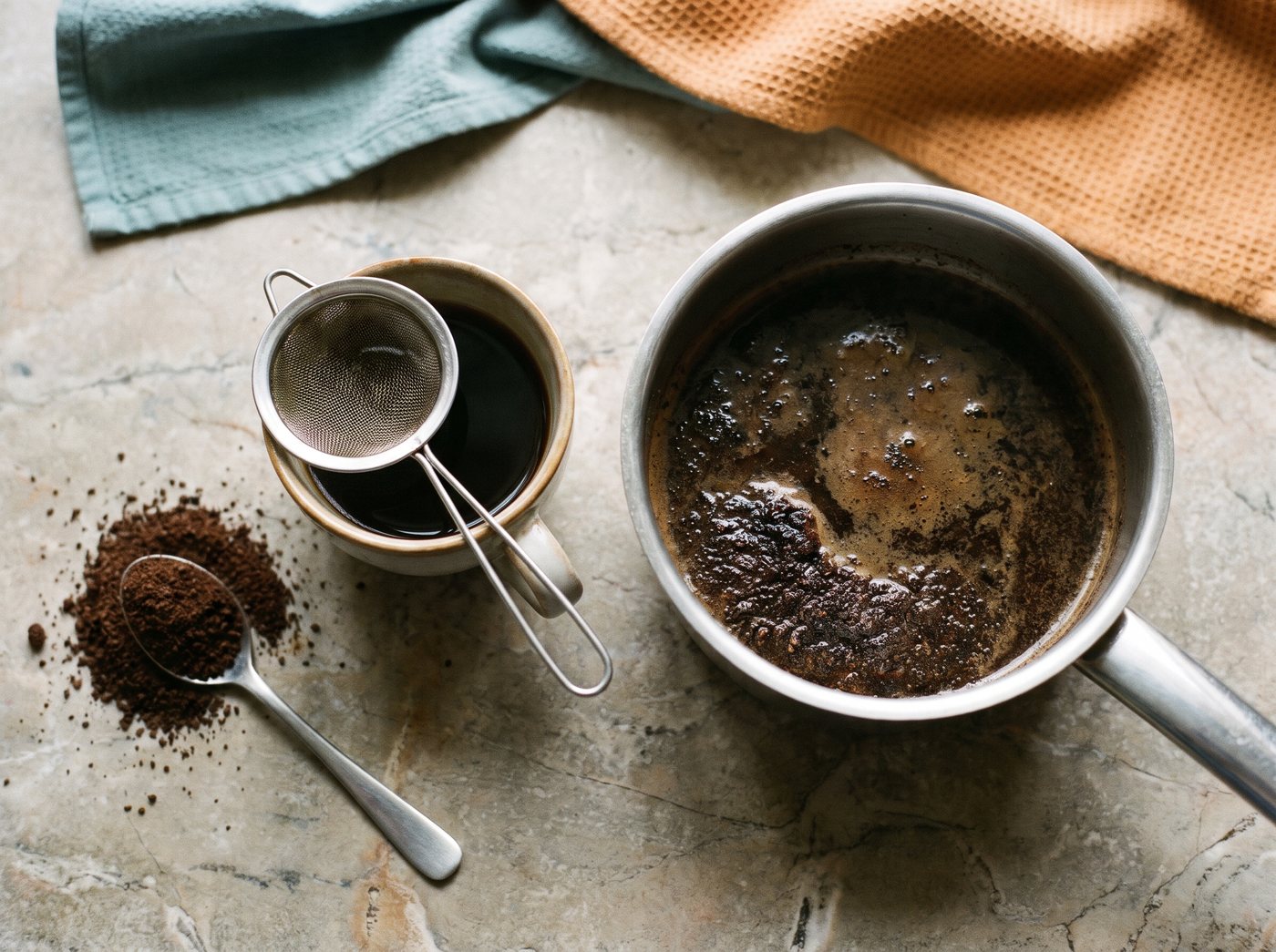
Add 12 g of coffee to a cup or small vessel and pour 200 ml of water just off the boil (about 93°C).
Stir gently and let it steep for 4 minutes.
Pour through your channi into a fresh cup and enjoy it black.
Steep 15 g of coffee in 120 ml of water at about 93°C for 4 minutes.
Fill a glass with 100 g of ice.
Strain the strong brew through your channi straight onto the ice and stir.

Add 20 g of coffee to the top chamber, press lightly with the plunger and pour in 100 ml of just-boiled water.
Close the lid and let the decoction drip through for about 15 minutes.
Mix the decoction with up to 150 ml of hot milk (or less, or hot water instead) so the fruit still shines.
Brew a strong decoction with 20 g of coffee and 90 ml of just-boiled water, letting it drip for about 15 minutes.
Fill a tall glass with 100 g of ice and add 100 ml of cold milk, or cold water for a black version.
Pour the decoction over the top and stir well.

Fill the base with 150 ml of hot water up to the valve and fill the basket level with about 16 g of coffee, without pressing.
Screw it together and heat on low-medium with the lid open.
Take it off the heat as soon as it starts to sputter, then drink it black or top up with a little hot water.
Brew as usual with 16 g of coffee and 150 ml of hot water on low-medium heat.
Fill a glass with 100 g of ice.
Pour the hot moka coffee over the ice, stir and sip straight away.

Rinse the paper filter, add 15 g of coffee and pour 40 ml of water at 93°C to wet the grounds; wait 40 seconds.
Pour slowly in circles up to 250 ml in total by about 1:45.
Let it drain fully, finishing around 2:45, then swirl and enjoy.
Put 100 g of ice in the jug under your V60 and add 15 g of coffee to the rinsed filter.
Pour 150 ml of water at 93°C in slow circles, starting with a 30 ml bloom for 30 seconds.
Let it drip straight onto the ice, finishing around 2:30, then swirl and pour over fresh ice.
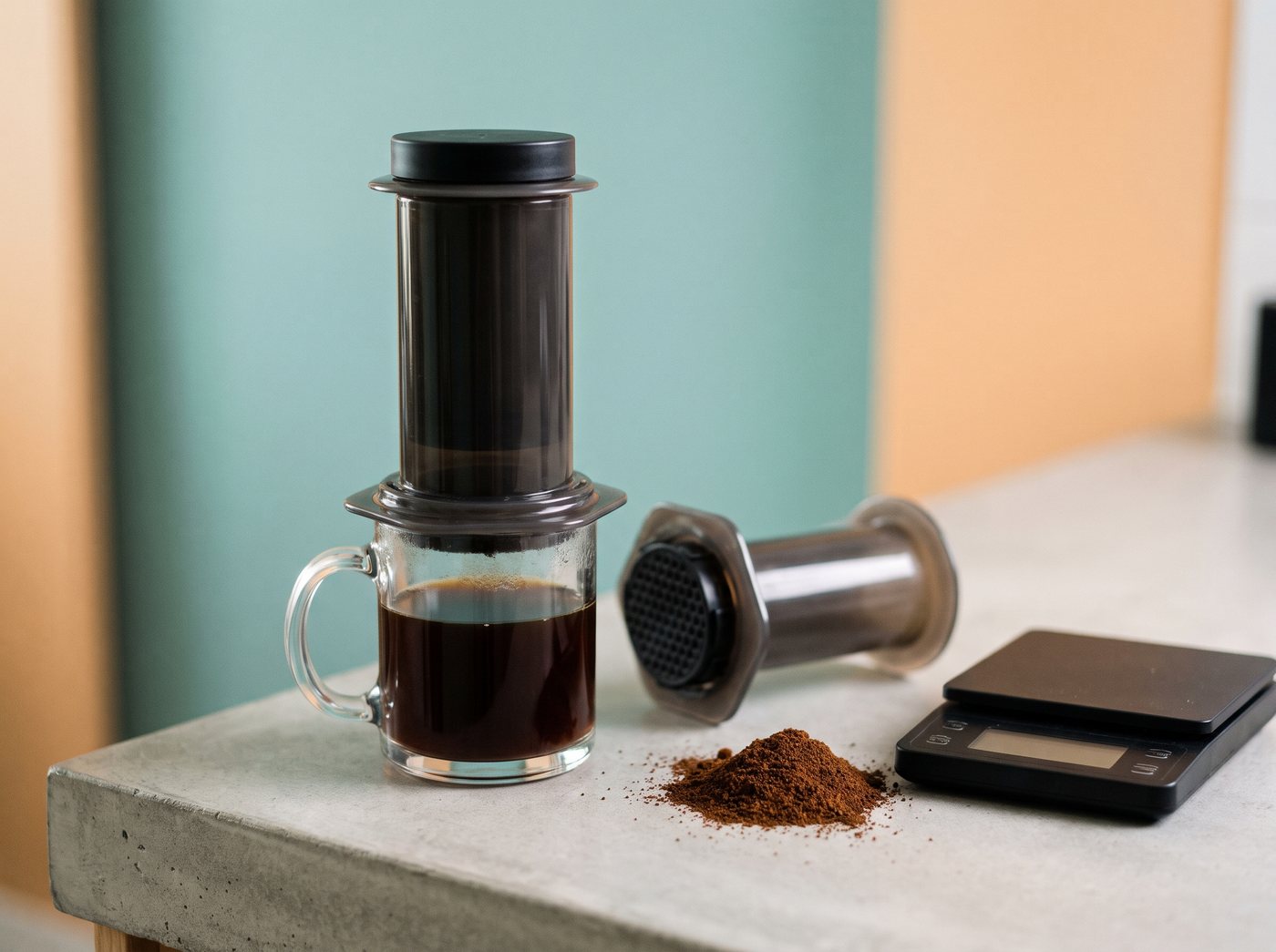
Add 15 g of coffee to the AeroPress and pour in 220 ml of water at 91°C.
Stir three times, put the plunger on to stop dripping and wait until 1:30.
Give it a gentle swirl and press slowly for about 30 seconds.
Add 17 g of coffee and 120 ml of water at 91°C, then stir three times.
Steep until 1:15, then press slowly onto 100 g of ice in your cup.
Stir until well chilled and top with a few fresh cubes.

Add 18 g of coffee and pour 300 ml of water at 93°C.
Steep for 4 minutes, then gently break the crust and skim off the foam.
Press slowly and pour everything out so it does not keep brewing.
Add 20 g of coffee and 180 ml of water at 93°C, then steep for 4 minutes.
Press slowly.
Pour over 140 g of ice in a tall glass and stir until cold.
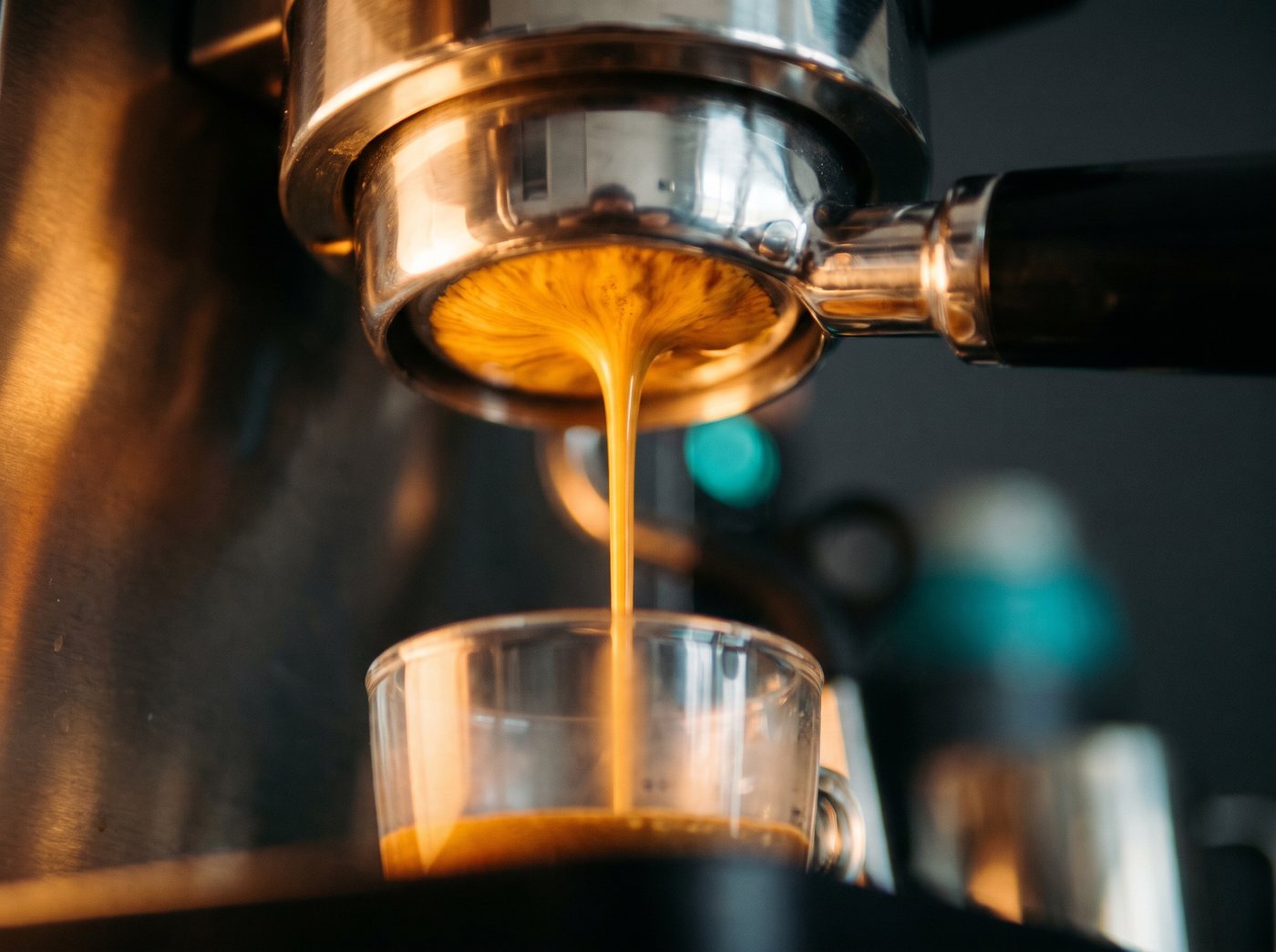
Dose 18 g into the basket, level and tamp evenly.
Pull about 36 g (roughly 36 ml) of espresso in 26 to 30 seconds at 94°C.
Taste: if it is sour, grind a touch finer; if bitter, a touch coarser.
Fill a glass with 120 g of ice and about 80 ml of cold water.
Pull 18 g in to about 36 g (roughly 36 ml) out in 26 to 30 seconds.
Pour the shot over the ice for a fruity iced Americano and stir.
Chandragiri (Arabica) · Dark Honey, Sun-Dried · 1,200–1,350 MASL
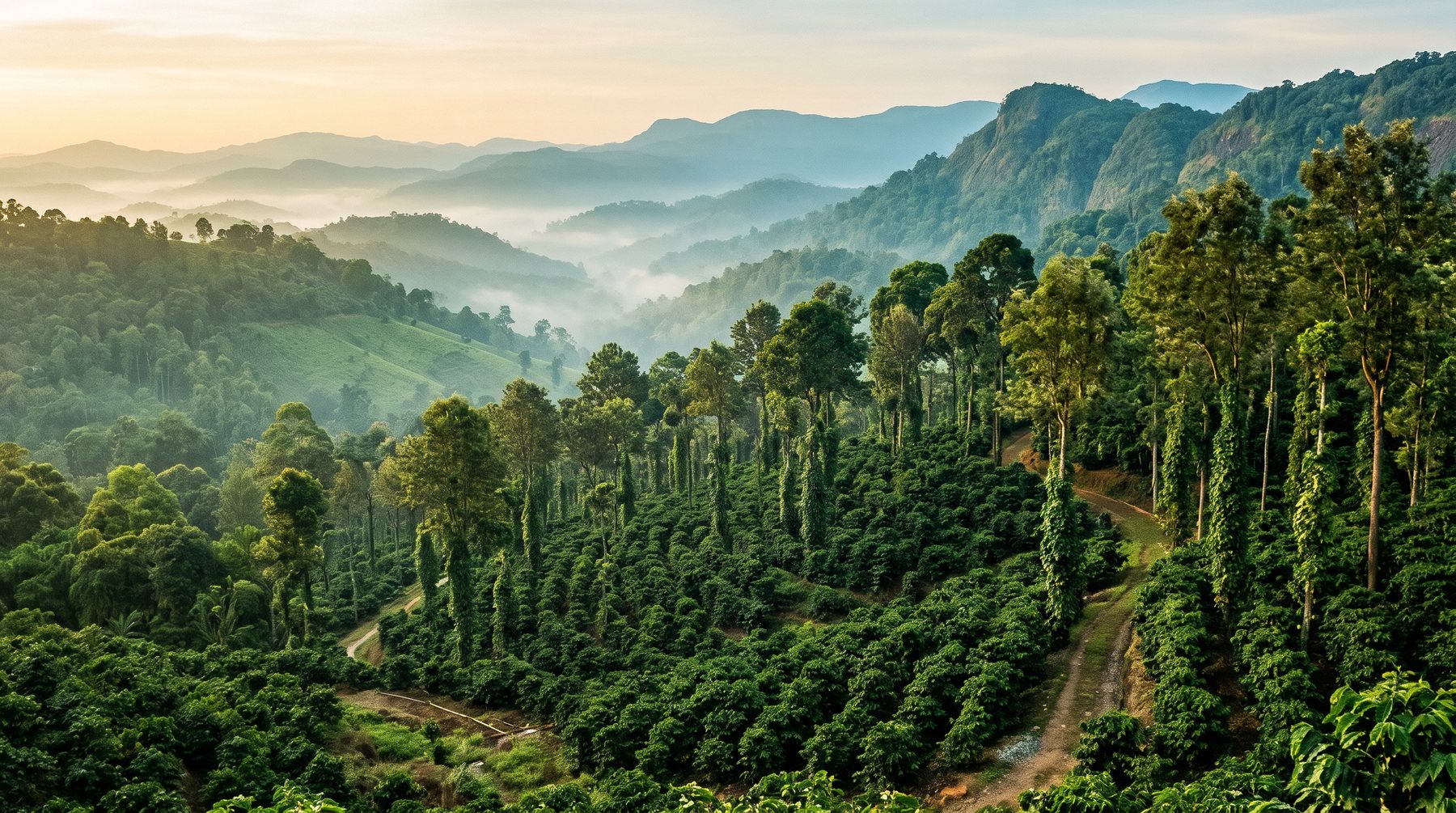
High in Karnataka's Western Ghats, Gungegiri Estate farms the same Chikkamagaluru hills where Indian coffee first began. Like most estates here, the coffee grows in shade under tall silver oak trees, with black pepper vines climbing the trunks and cardamom growing alongside, so the cherries ripen slowly in cool, misty air.
The variety is Chandragiri, a selection of Villa Sarchi crossed with the Timor Hybrid, released by the Central Coffee Research Institute at Balehonnur. It was bred to hold up well to leaf rust while keeping a sweet, clean Arabica cup, and in the right hands it can be remarkably fruity.
For Sigil, the cherries go through a Dark Honey process: the skin is removed but nearly all of the sticky fruit layer is left on, and the beans dry slowly under the sun. That extra time with the fruit is what gives this coffee its yellow tropical fruit, lemon-zest brightness and honeyed finish.
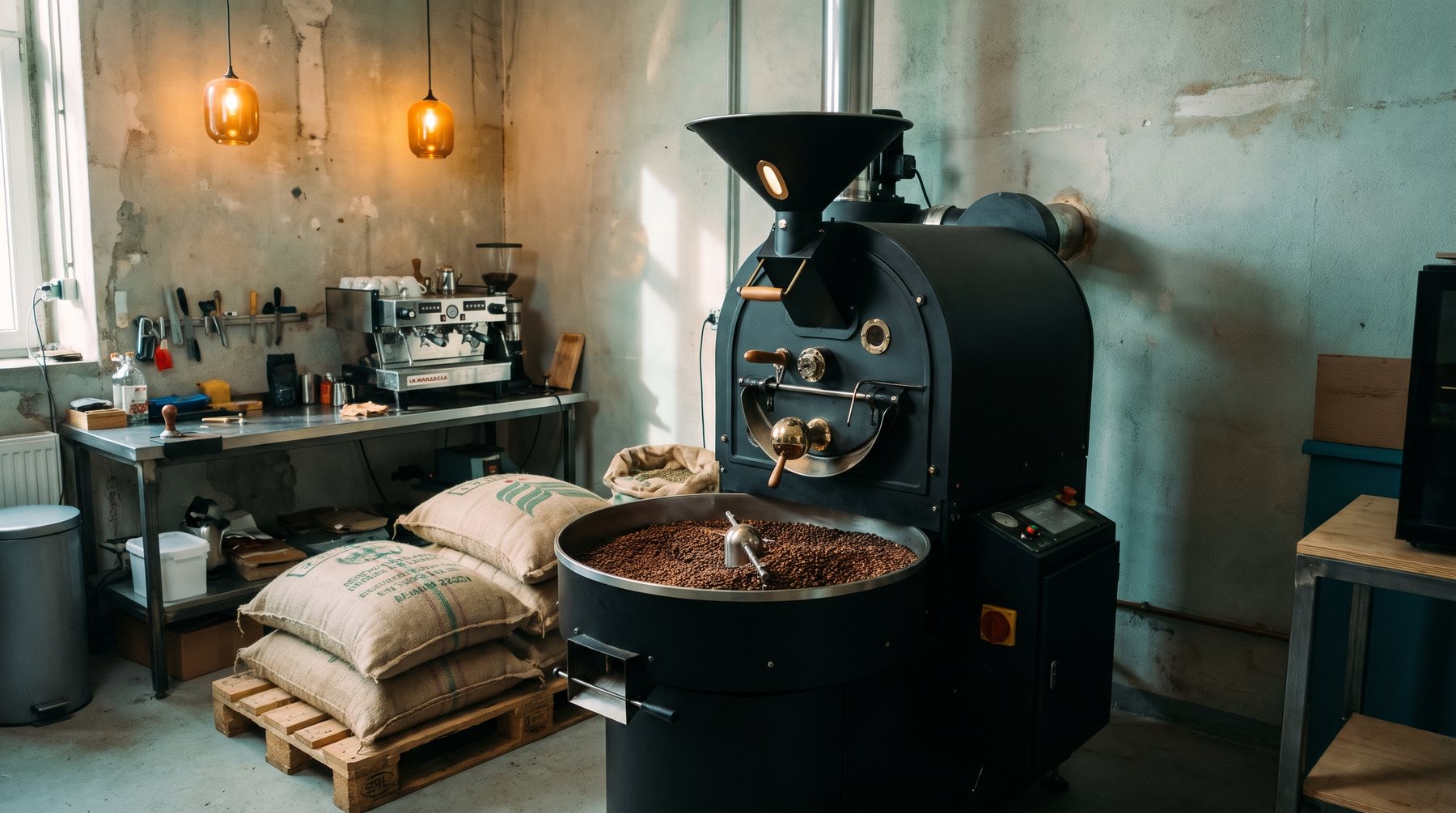
We roast Sigil to order in Hyderabad on a digitally profiled electric-hybrid roaster, taking it to a light-medium filter roast. The aim is simple: keep the fruit vivid and the sweetness generous, so it tastes as good in your V60 or channi as it did on our cupping table.
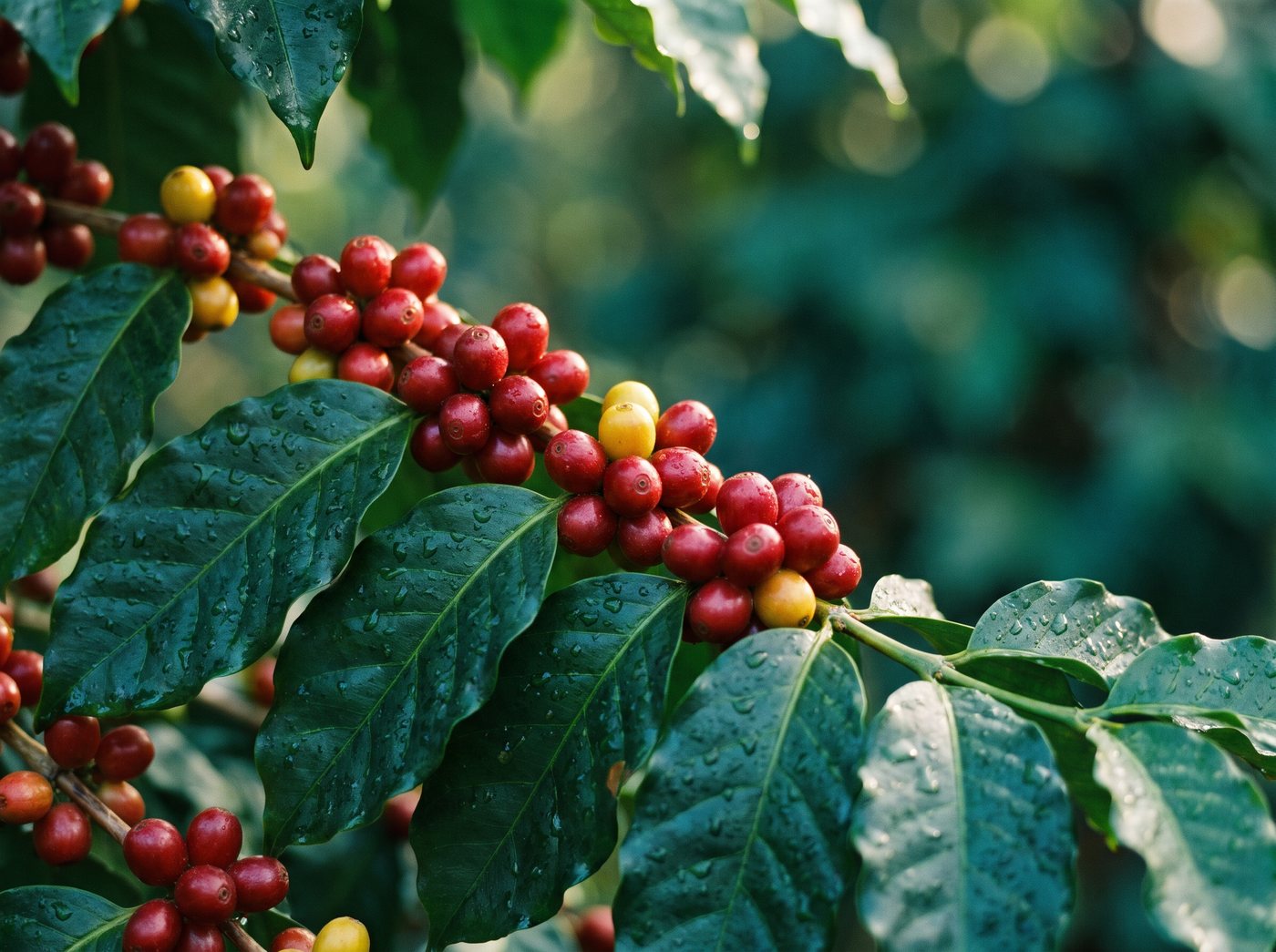
Only fully ripe, deep-red Chandragiri cherries are hand-picked, then floated and sorted to remove under-ripe or damaged fruit. Ripe cherry carries the most sugar, which the honey process depends on.
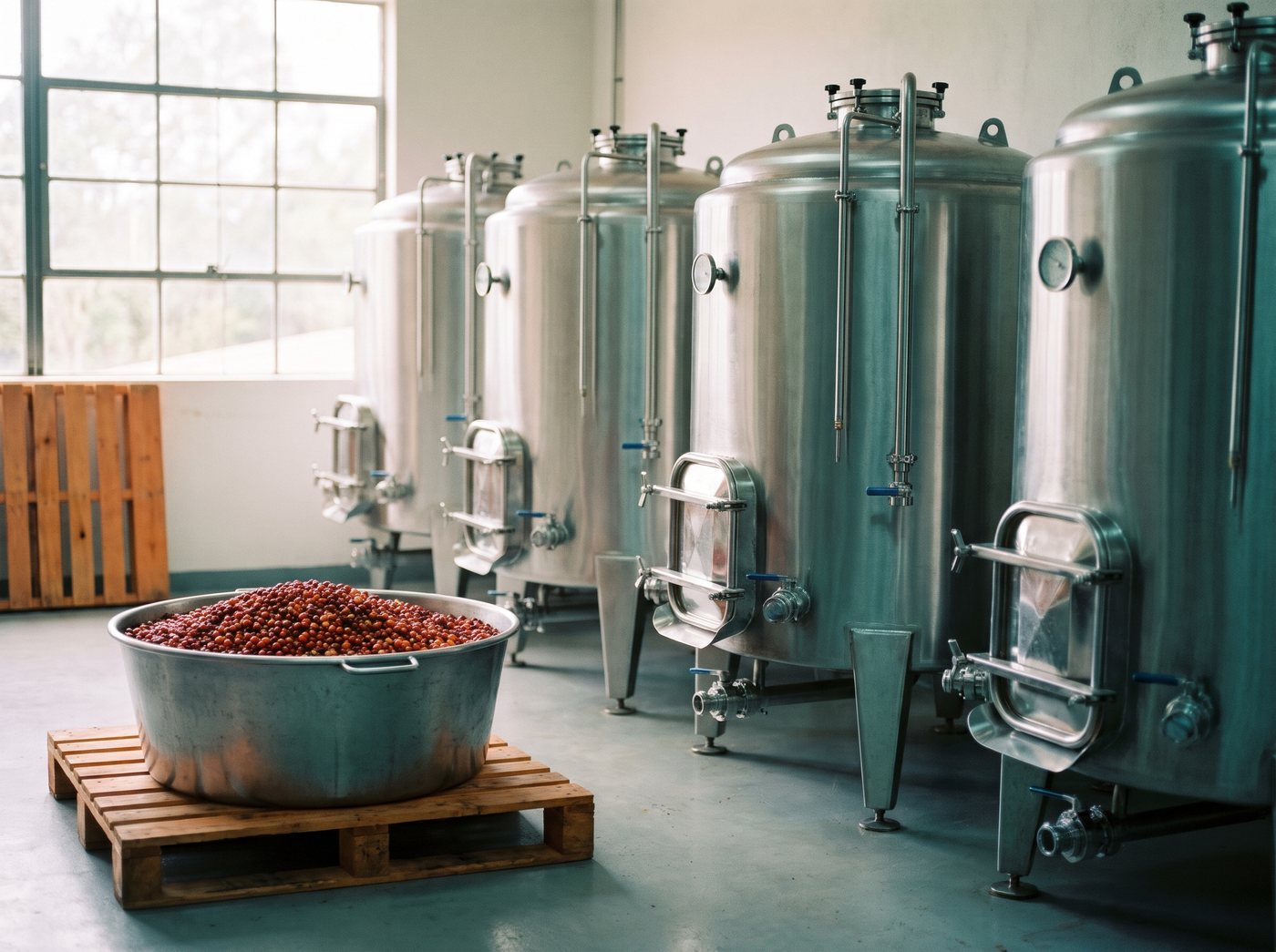
The skin is pulped off but almost all of the sticky, sweet fruit layer (the mucilage) is left clinging to the beans. They rest overnight in this layer, starting a gentle natural fermentation that builds fruit flavour.
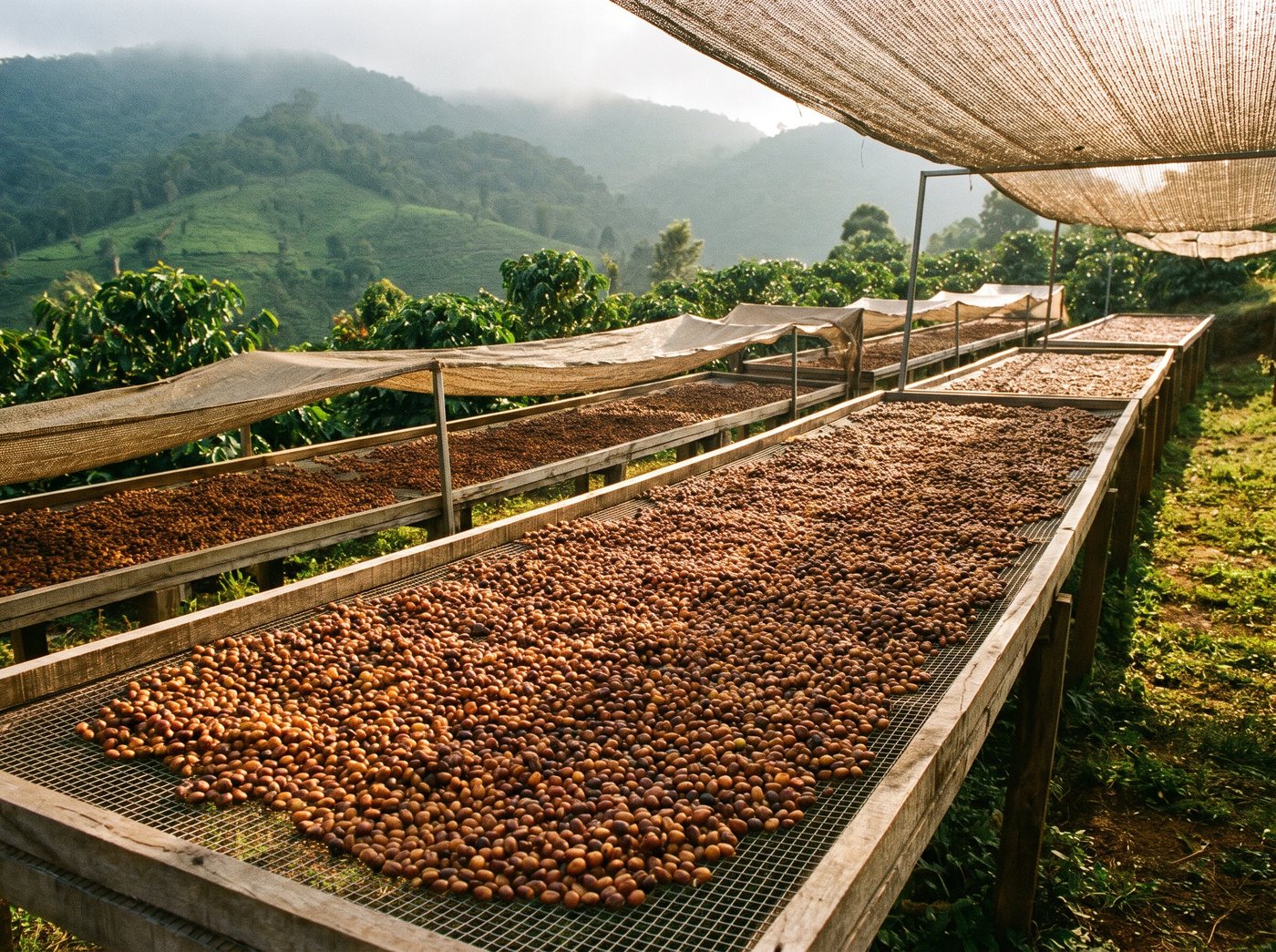
The sticky beans are spread thinly on raised beds and patios and dried slowly in the sun, turned less often than a lighter honey so the mucilage darkens to a deep amber. This slow drying locks in the jammy fruit and honey-like sweetness.
Lot data marked ≈ are typical values for this estate and process, pending roaster verification for the current lot.
Coffee needs a short rest after roasting before it tastes its best. For Sigil, the sweet spot opens 9 days after the roast date and holds at its peak until about day 12.
Roast date is printed on every packPeak: day 9–12
Freshly roasted beans are still breathing out carbon dioxide, which can make the brew taste sharp and uneven. Give Sigil 9 to 12 days after the roast date and the fruit and honey sweetness open up fully.
We roast to order, so your box usually arrives a few days into its rest. Check the roast date on the pack, count forward and brew your first cup on day 9. If you can’t wait, it’s perfectly good earlier — just a little sharper.
Roasted to order and dispatched within 48 hours (Mon–Sat). Delivery takes 2–5 business days across India. Shipping is free on orders over ₹999; below that it’s a flat ₹79.
Coffee is a food product, so we can’t take back opened packs. If your order arrives damaged or isn’t what you ordered, email us a photo and we’ll put it right. Read the full shipping & freshness policy.
Three clean, sweet, tea-like coffees that shine black in a V60, AeroPress or French press.


72-Hour Anaerobic Washed, Shade Dried · Chandragiri · Yelnoorkhan Estate


Anaerobic & Yeast-Fermented Natural · Catimor · Gungegiri Estate


Omni Roast · Washed & Natural Chikkamagaluru Arabica Blend