Click image to zoom · Arrow keys to browse · Esc to close
The cupper’s paragraph
How Grace tastes
Grace opens with dark chocolate and roasted nuts, then a soft red-berry sweetness and a gentle squeeze of sweet lime come through behind them. Washed coffees, which have their fruit removed before drying, keep the cup clean and bring the citrus, while natural coffees, dried whole inside their cherry, soak up fruit sugars that give the berry sweetness, and our medium+ roast turns those sugars into chocolate and toasted nut. It feels smooth and medium-bodied in the mouth, and the chocolate lingers well after each sip, whether you drink it black or with milk.
Select a segment to explore it. Primary family: Chocolate & Roasted Nut.
Flavour wheel
Five ways into the cup
Aromatic finish
A lingering finish of dark chocolate and roasted nuts with a light flicker of sweet lime.
Tap any family on the wheel to see its notes, what it tastes like and how it might remind you of something from home.
Cup evolution
Taste it as it cools
90°60°40°
90°C
At around 90°C, dark chocolate and toasted nuts lead, with a warm, roasty aroma that fills the kitchen.
60°C
Around 60°C, the cup sweetens up and the red-berry notes start to show through the chocolate.
40°C
Near 40°C, a juicy sweet-lime brightness appears and the finish turns clean, sweet and long.
How to brew Grace
Hot or iced, with the gear you already own.
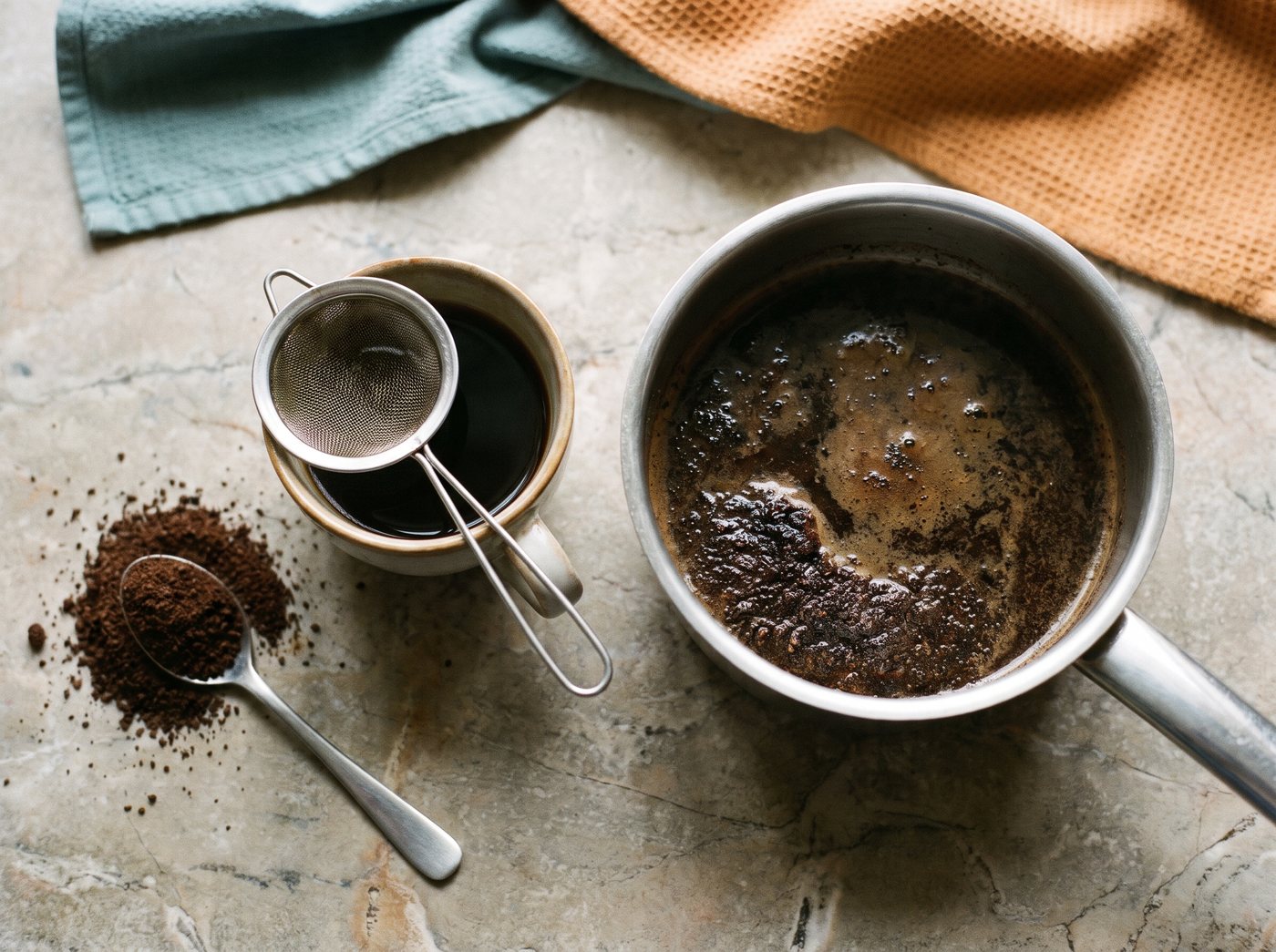
ChanniNo gear
Dose
12g
Water
200ml
Temp
91°C
Time
4 min
Ratio 1:16.7Grind Channi
01
Add 12 g of coffee to a jug and pour in 200 ml of water at about 91°C (a minute off the boil).
02
Stir once, cover and let it steep for 4 minutes.
03
Pour through your channi into a cup; add hot milk or sugar if you like.
Dose
16g
Water
120ml
Ice
100g
Temp
91°C
Time
4 min
Ratio 1:7.5 brew (1:13.8 with ice)Grind Channi
01
Steep 16 g of coffee in 120 ml of water at about 91°C for 4 minutes to make a strong brew.
02
Fill a glass with 100 g of ice.
03
Strain the coffee through your channi straight onto the ice and stir.
South Indian FilterKaapi
Dose
20g
Water
100ml
Milk
150ml
Temp
94°C
Time
15 min
Ratio 1:5 decoctionGrind South Indian Filter
01
Add 20 g of coffee to the top chamber, press lightly with the plunger and pour in 100 ml of just-boiled water.
02
Cover and let the decoction drip through for about 15 minutes.
03
Mix the decoction with 150 ml of hot frothy milk and sugar to taste, then pour between tumbler and dabarah.
Dose
22g
Water
90ml
Ice
100g
Milk
100ml
Temp
94°C
Time
15 min
Ratio 1:4.1 decoction (1:8.6 with ice)Grind South Indian Filter
01
Brew a strong decoction with 22 g of coffee and 90 ml of just-boiled water; let it drip for about 15 minutes.
02
Fill a tall glass with 100 g of ice and pour in 100 ml of cold milk, sweetened if you like.
03
Pour the decoction over the top and stir well.
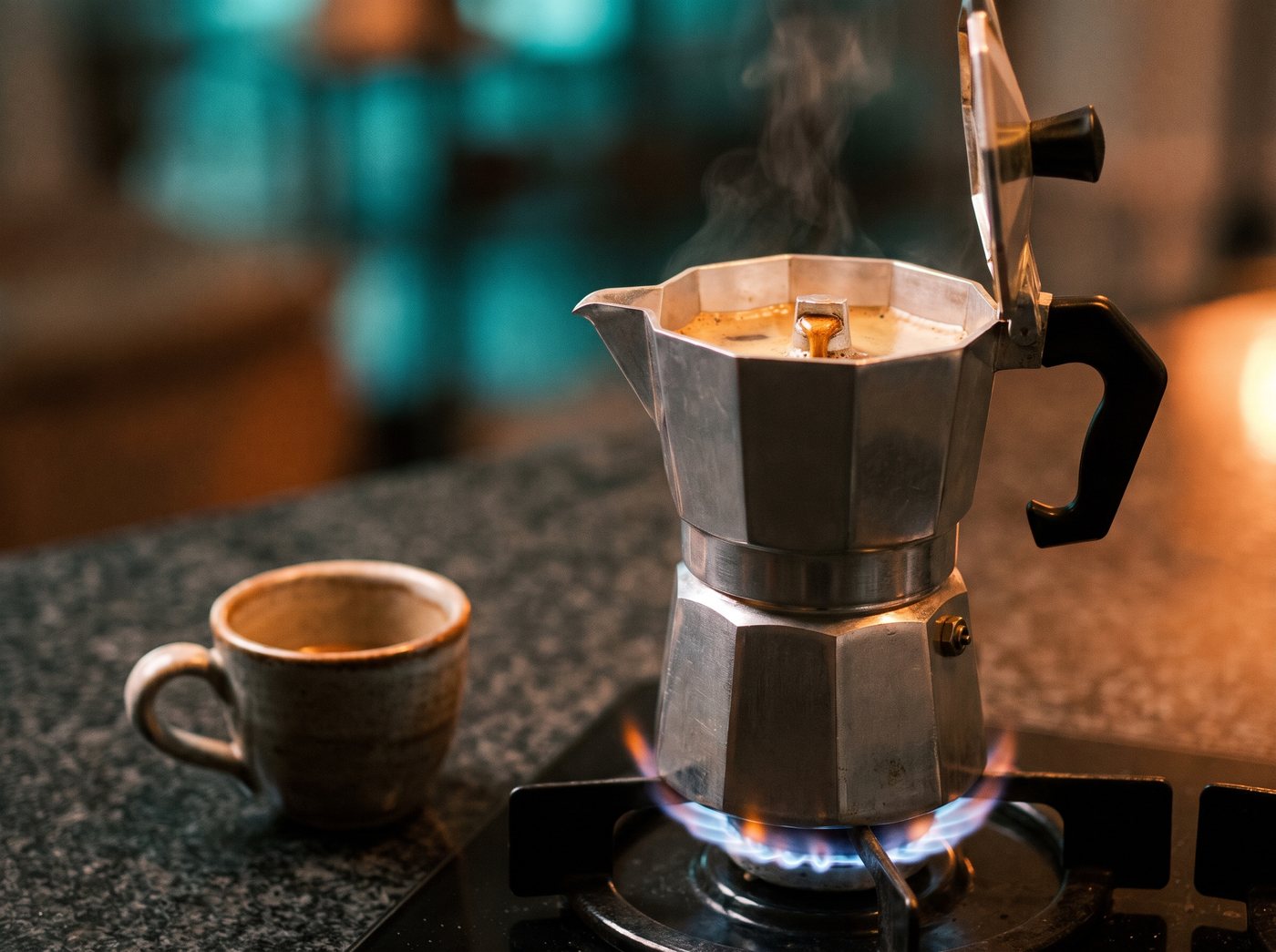
Moka PotStovetop
Dose
16g
Water
150ml
Temp
90°C
Time
4–5 min
Ratio 1:9.4Grind Moka Pot
01
Fill the base with 150 ml of hot water up to the valve and level 16 g of coffee in the basket without pressing.
02
Screw it together and heat on medium-low with the lid open.
03
Take it off the heat as soon as it starts to sputter; drink as is or top with hot milk.
Dose
16g
Water
150ml
Ice
120g
Temp
90°C
Time
4–5 min
Ratio 1:9.4 brew (1:16.9 with ice)Grind Moka Pot
01
Brew the moka pot as usual with 16 g of coffee and 150 ml of hot water.
02
Fill a glass with 120 g of ice.
03
Pour the hot coffee over the ice, stir, and add cold milk if you like.
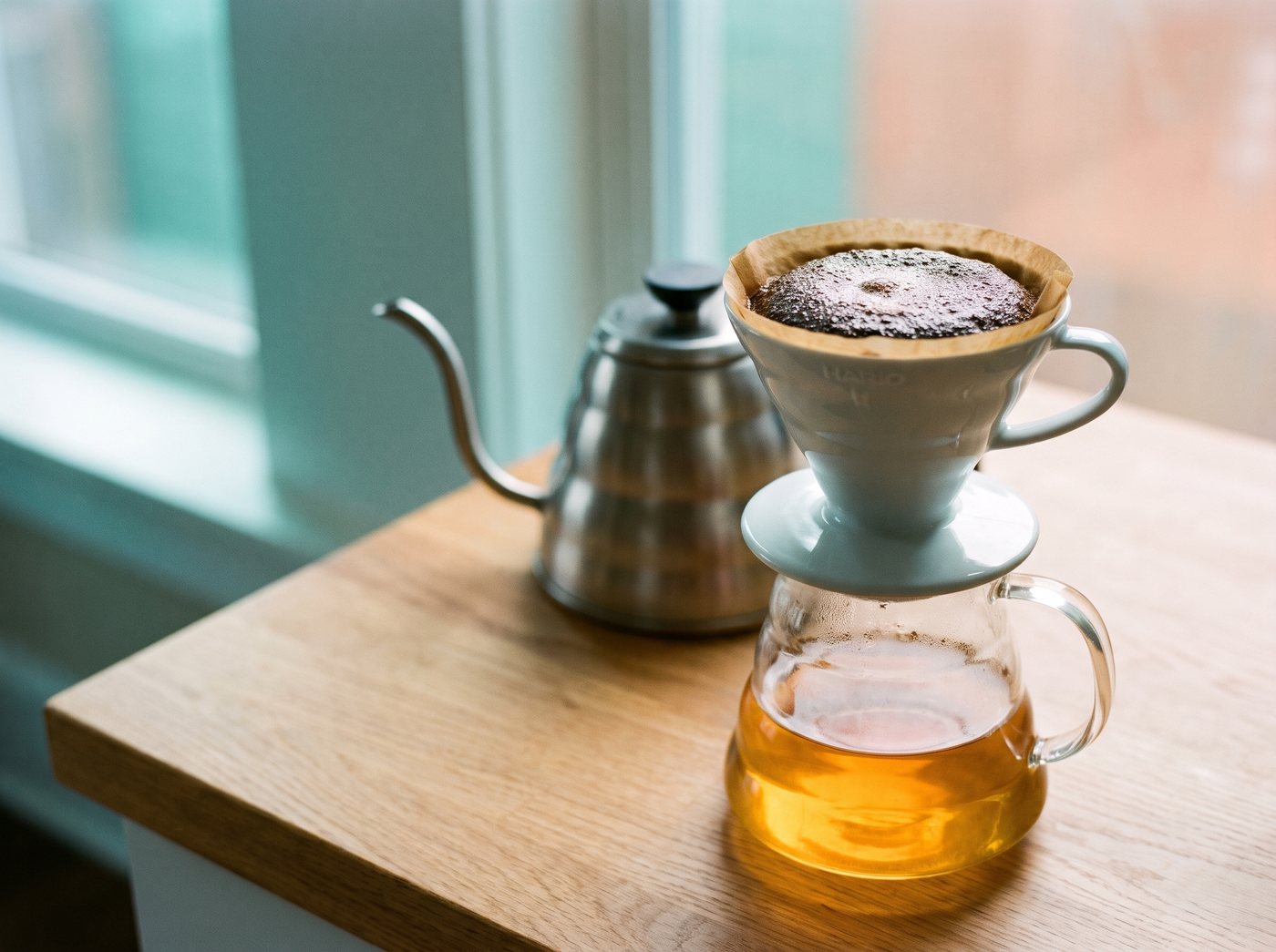
V60Pour over
Dose
15g
Water
250ml
Temp
91°C
Time
2:45
Ratio 1:16.7Grind Pour Over
01
Rinse the paper filter, add 15 g of coffee and pour 40 ml of 91°C water to wet it; wait 30 seconds.
02
Pour the rest slowly in circles until you reach 250 ml.
03
Let it drain fully by about 2:45, swirl and serve.
Dose
15g
Water
150ml
Ice
100g
Temp
91°C
Time
2:30
Ratio 1:10 brew (1:16.7 with ice)Grind Pour Over
01
Put 100 g of ice in the server under your dripper.
02
Wet 15 g of coffee with 30 ml of 91°C water, wait 30 seconds, then pour slowly in circles up to 150 ml.
03
Let it drip straight onto the ice, swirl to chill and pour into a glass.
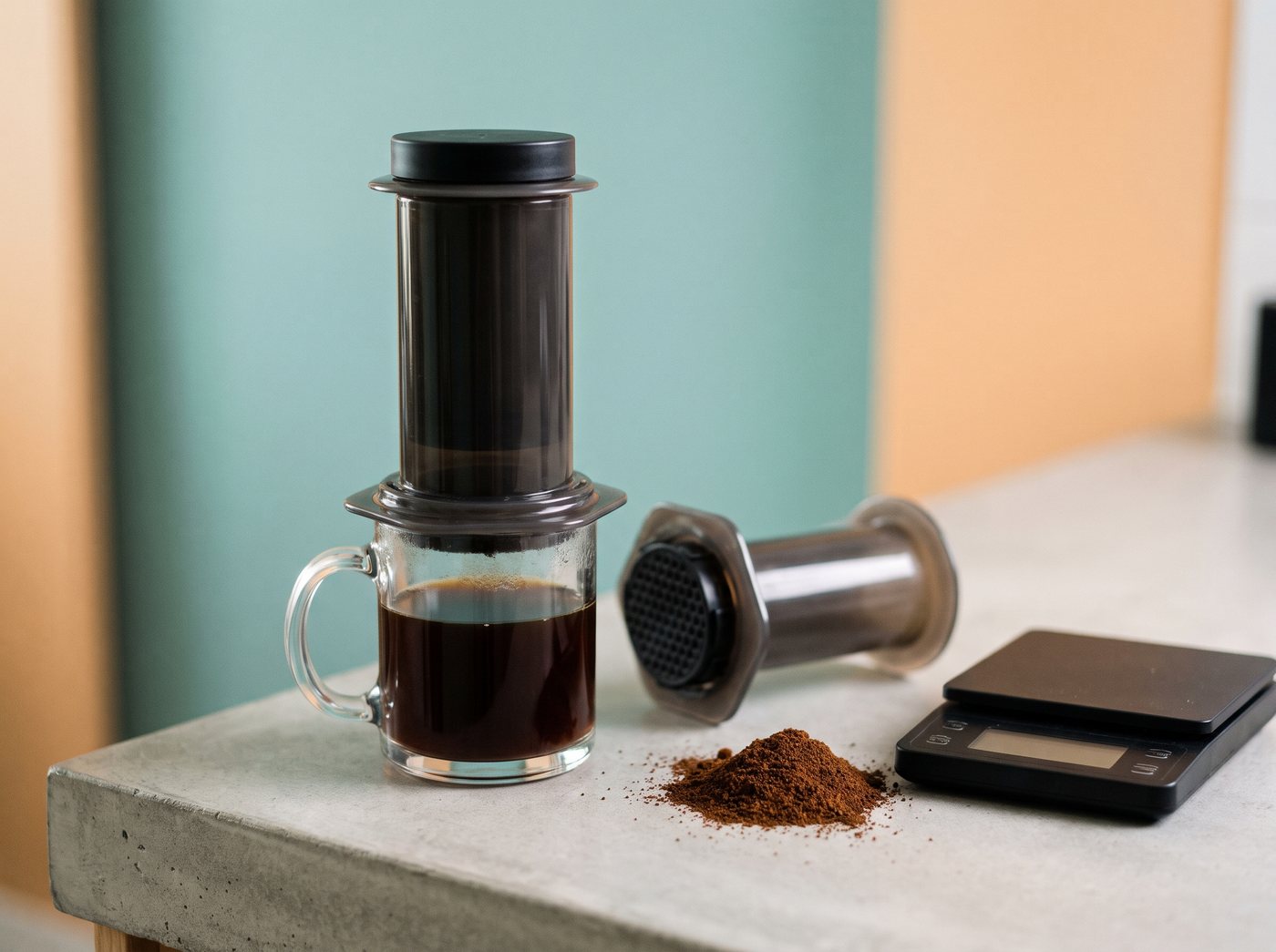
AeroPressImmersion + press
Dose
15g
Water
220ml
Temp
89°C
Time
2:00
Ratio 1:14.7Grind AeroPress
01
Add 15 g of coffee and pour in 220 ml of 89°C water.
02
Stir a few times, fit the plunger and wait until 1:30.
03
Press down gently for about 30 seconds and enjoy.
Dose
18g
Water
120ml
Ice
100g
Temp
89°C
Time
1:45
Ratio 1:6.7 brew (1:12.2 with ice)Grind AeroPress
01
Add 18 g of coffee and 120 ml of 89°C water, then stir.
02
Wait until 1:15 and place the AeroPress over a glass holding 100 g of ice.
03
Press slowly, stir and top up with cold milk if you like.
French PressFull immersion
Dose
18g
Water
300ml
Temp
91°C
Time
4 min
Ratio 1:16.7Grind French Press
01
Add 18 g of coffee and pour in 300 ml of 91°C water.
02
Stir, place the lid on and steep for 4 minutes.
03
Press slowly and pour everything out so it does not keep brewing.
Dose
24g
Water
200ml
Ice
150g
Temp
91°C
Time
4 min
Ratio 1:8.3 brew (1:14.6 with ice)Grind French Press
01
Steep 24 g of coffee in 200 ml of 91°C water for 4 minutes.
02
Fill a jug with 150 g of ice.
03
Press and pour the coffee over the ice, then stir until chilled.
EspressoMachine
Dose
18g
Water
36ml
Temp
93°C
Time
28 s
Ratio 1:2Grind Home Espresso
01
Dose 18 g into the basket, level it and tamp firmly.
02
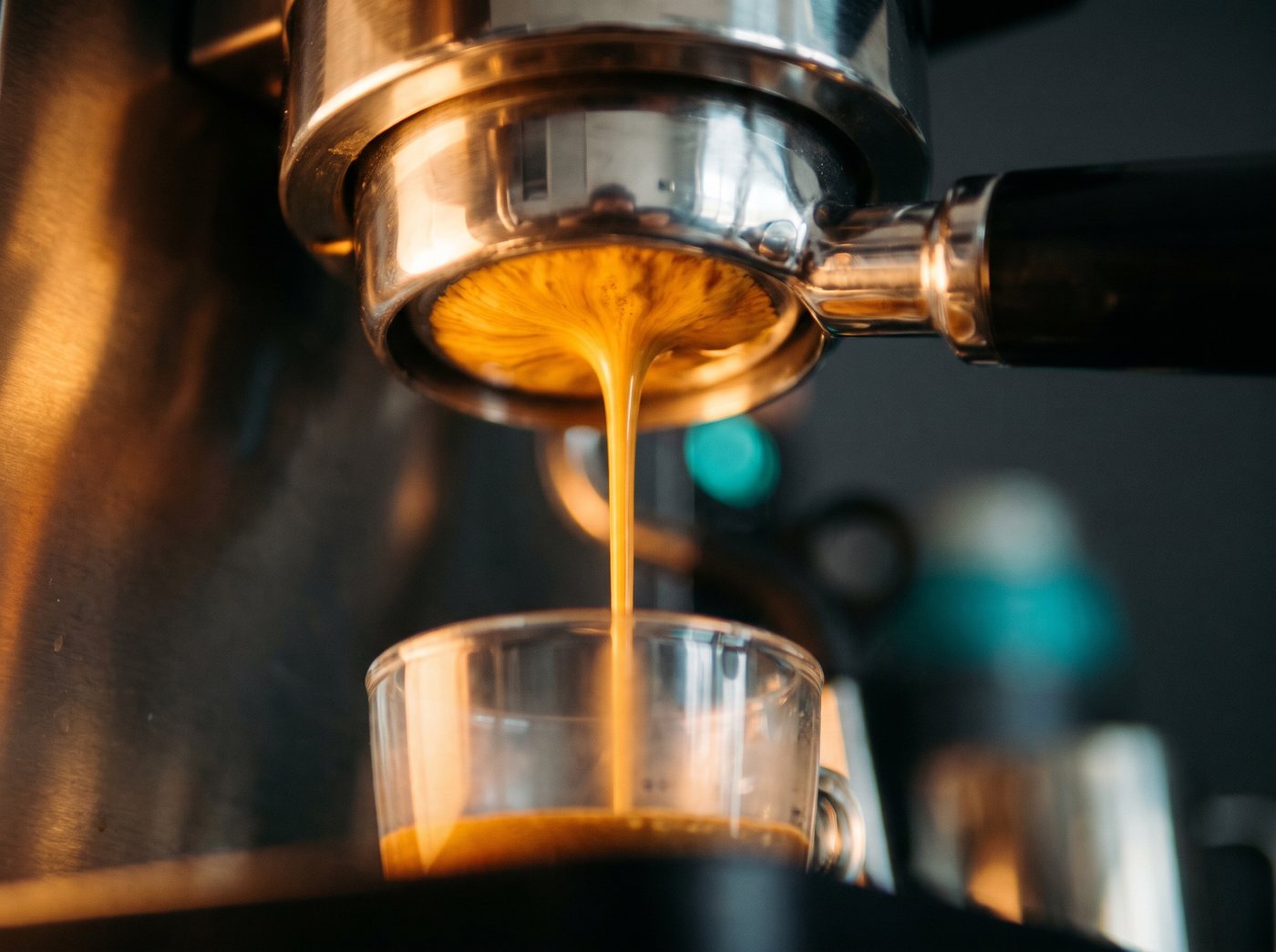
Pull about 36 g (roughly 36 ml) of espresso in 26 to 30 seconds.
03
Drink as is, add 120 ml hot water for an americano, or 110 ml steamed milk for a flat white.
Dose
18g
Water
36ml
Ice
120g
Milk
150ml
Temp
93°C
Time
28 s
Ratio 1:2 (shot over 120 g ice)Grind Home Espresso
01
Fill a tall glass with 120 g of ice and 150 ml of cold milk, or chilled water for an iced americano.
02
Pull 18 g of coffee into about 36 g (roughly 36 ml) of espresso in 26 to 30 seconds.
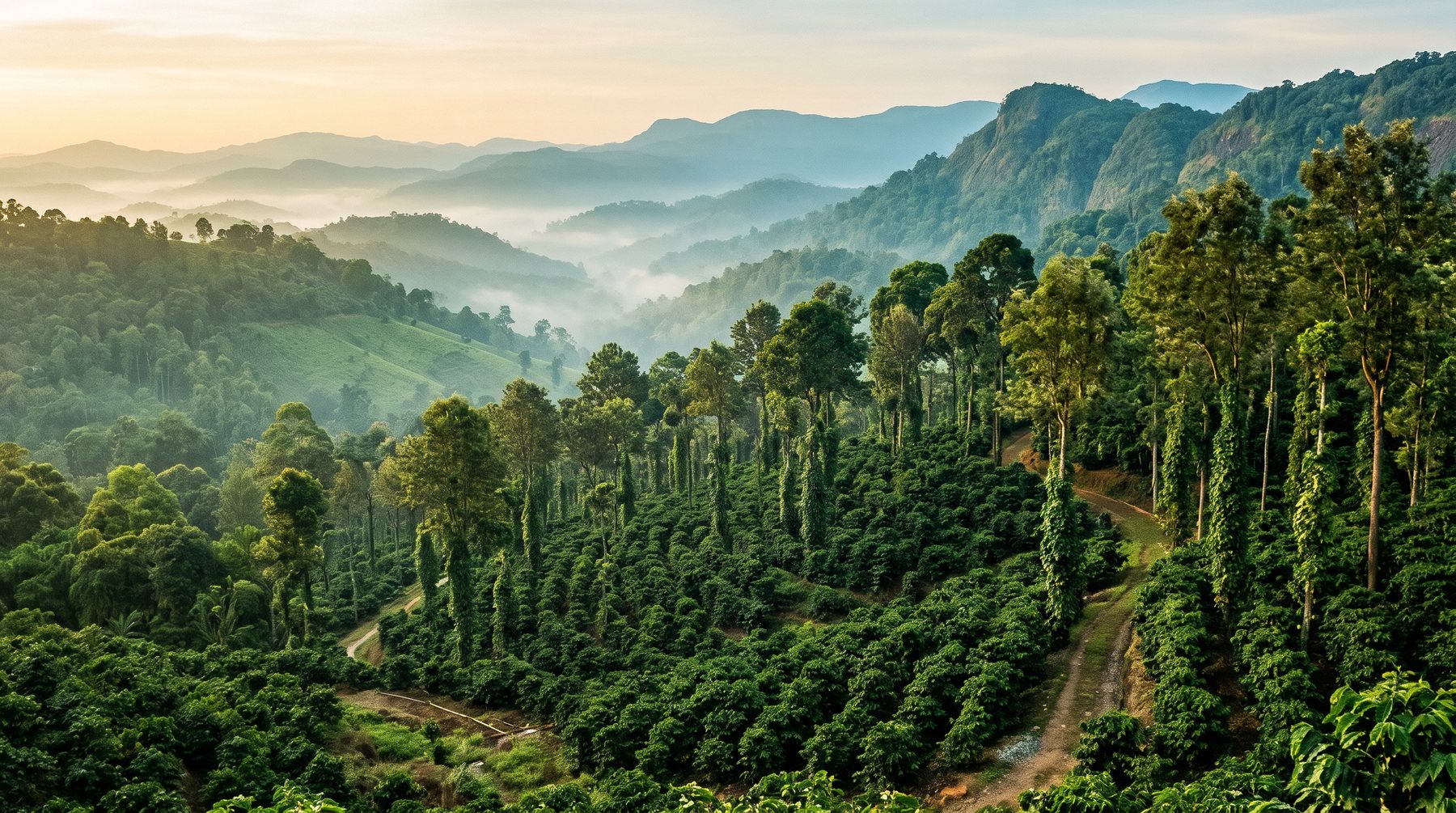
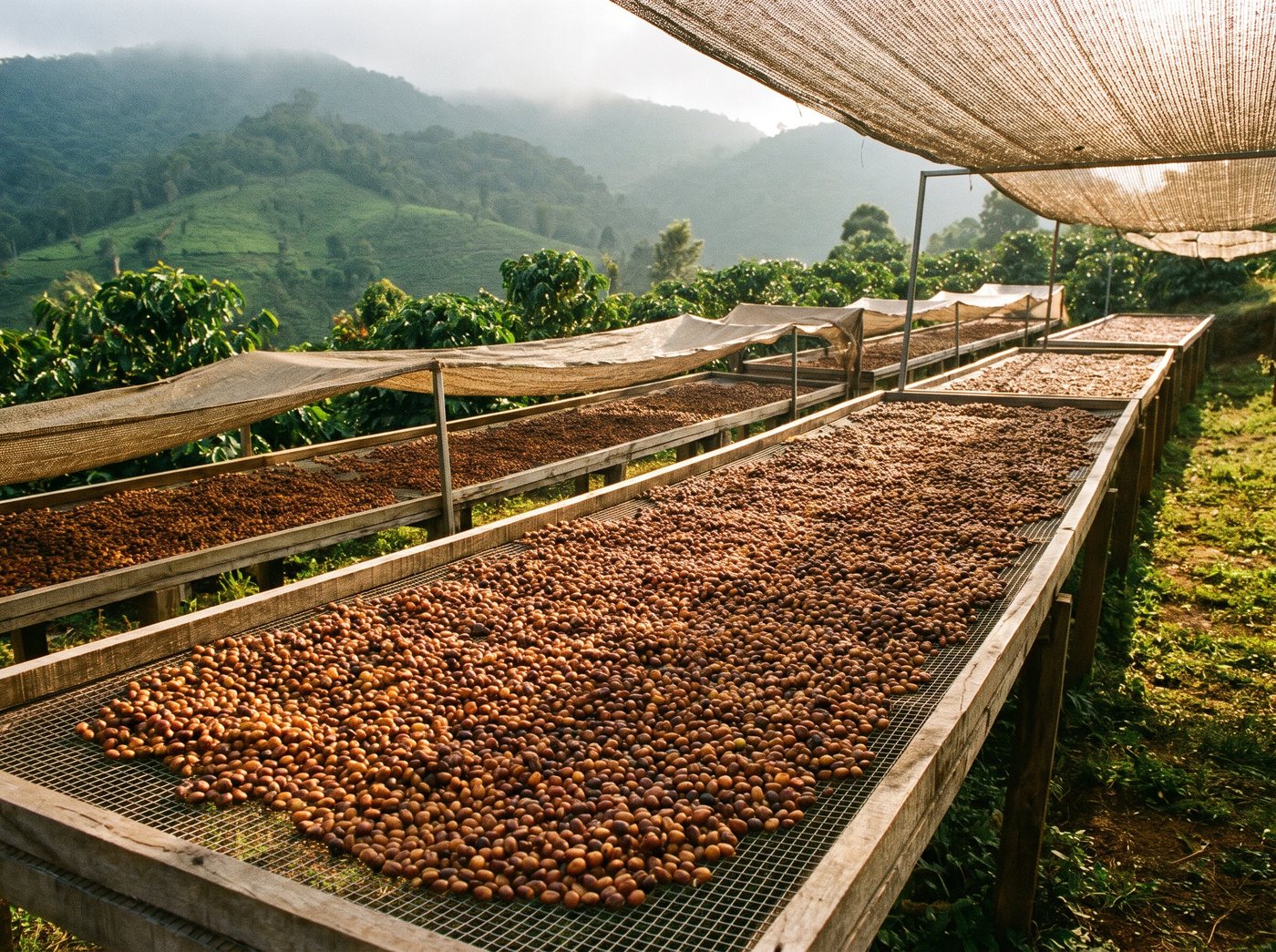
Grace comes from the hills of Chikkamagaluru in the Western Ghats, where India's coffee story began. Here Arabica grows slowly in the shade of tall silver oak trees, with black pepper vines climbing their trunks and cardamom growing below, so the cherries ripen gently and build up sweetness.
The blend draws on Chikkamagaluru Arabicas such as Chandragiri, a Villa Sarchi x Timor Hybrid selection released by the Central Coffee Research Institute at Balehonnur, and S795, India's classic Kent x S288 selection. Both are grown widely in these hills and give a rounded, sweet base that takes well to an espresso roast.
We pair two processes on purpose. Washed lots, where the fruit is removed before drying, bring clarity and a sweet-lime brightness, while natural lots, dried whole in their cherry, add red-berry sweetness and a fuller body, so together they give a balanced, chocolatey shot.
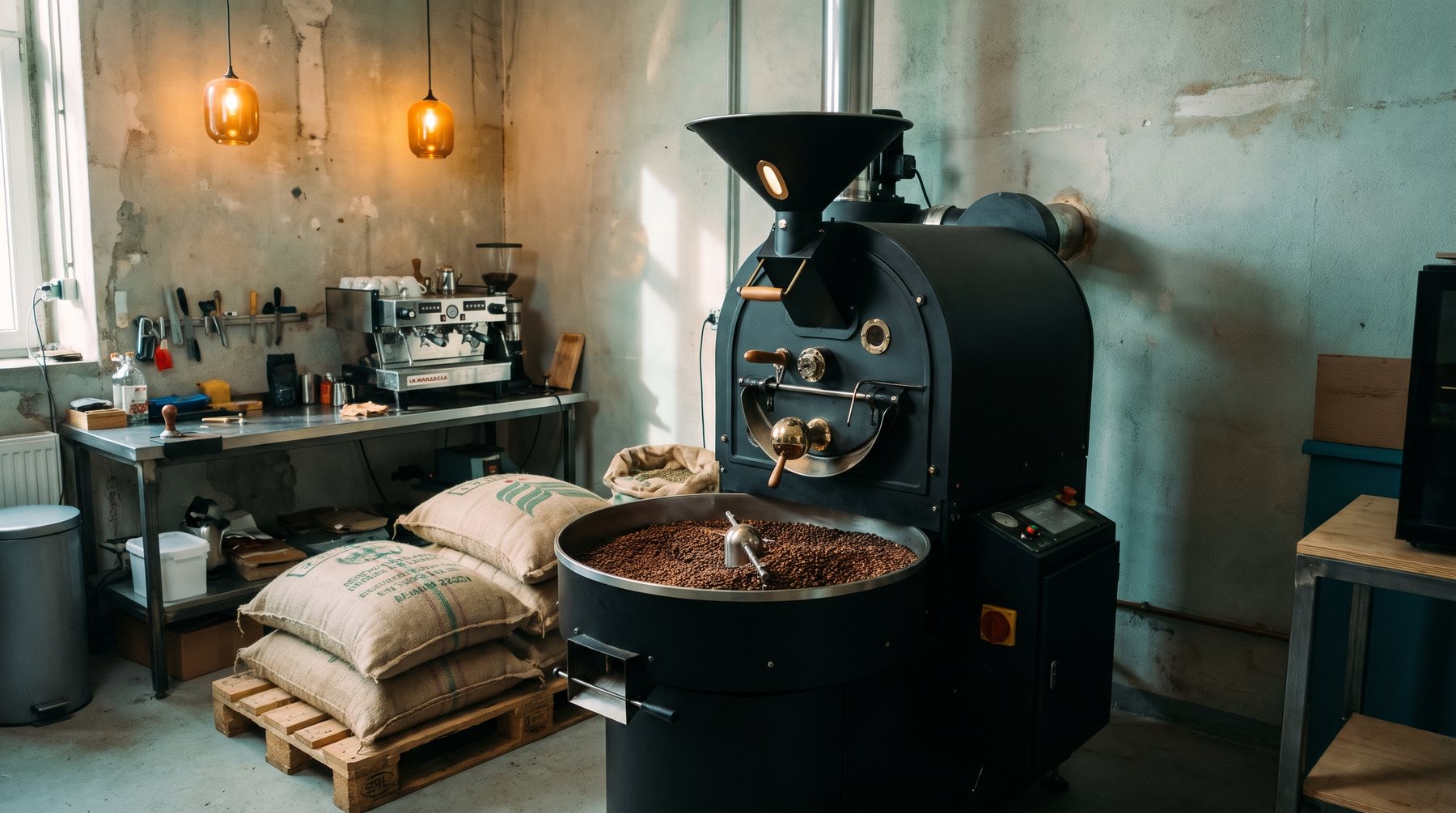
At Noble we roast Grace to order in Hyderabad on a digitally profiled electric-hybrid roaster, taking it to a medium+ roast that brings out dark chocolate and roasted nuts without burnt bitterness. Every bag leaves us fresh, ready for a lively espresso, a long americano or a silky flat white.
The process in three steps
Washed & Natural (blend)
Step 01
Ripe Cherry Selection
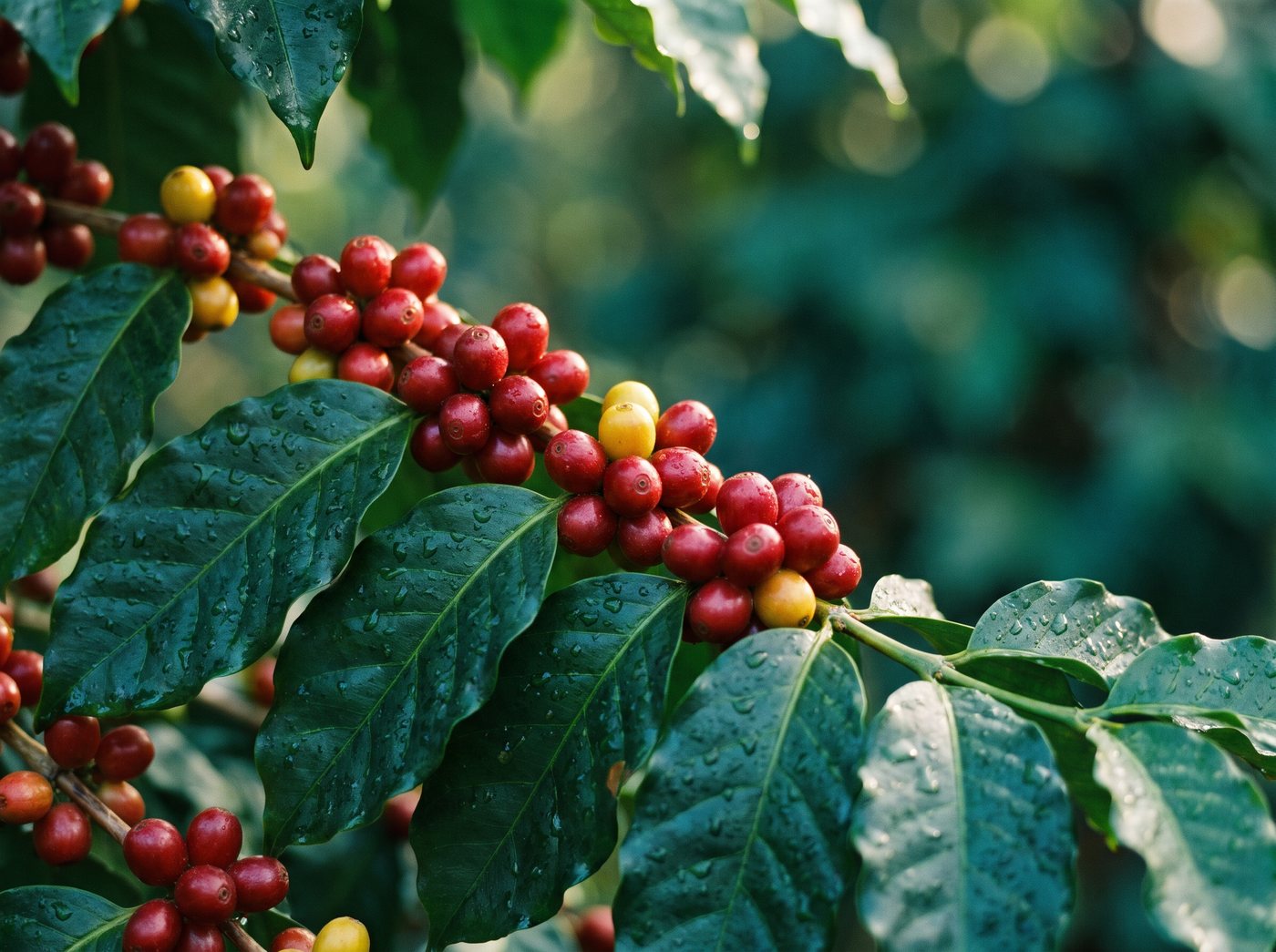
Only deep-red, fully ripe cherries are hand-picked across several passes of the estates. Floaters and under-ripe cherries are sorted out before the lots split into washed and natural batches.
Step 02
Two-Way Fermentation
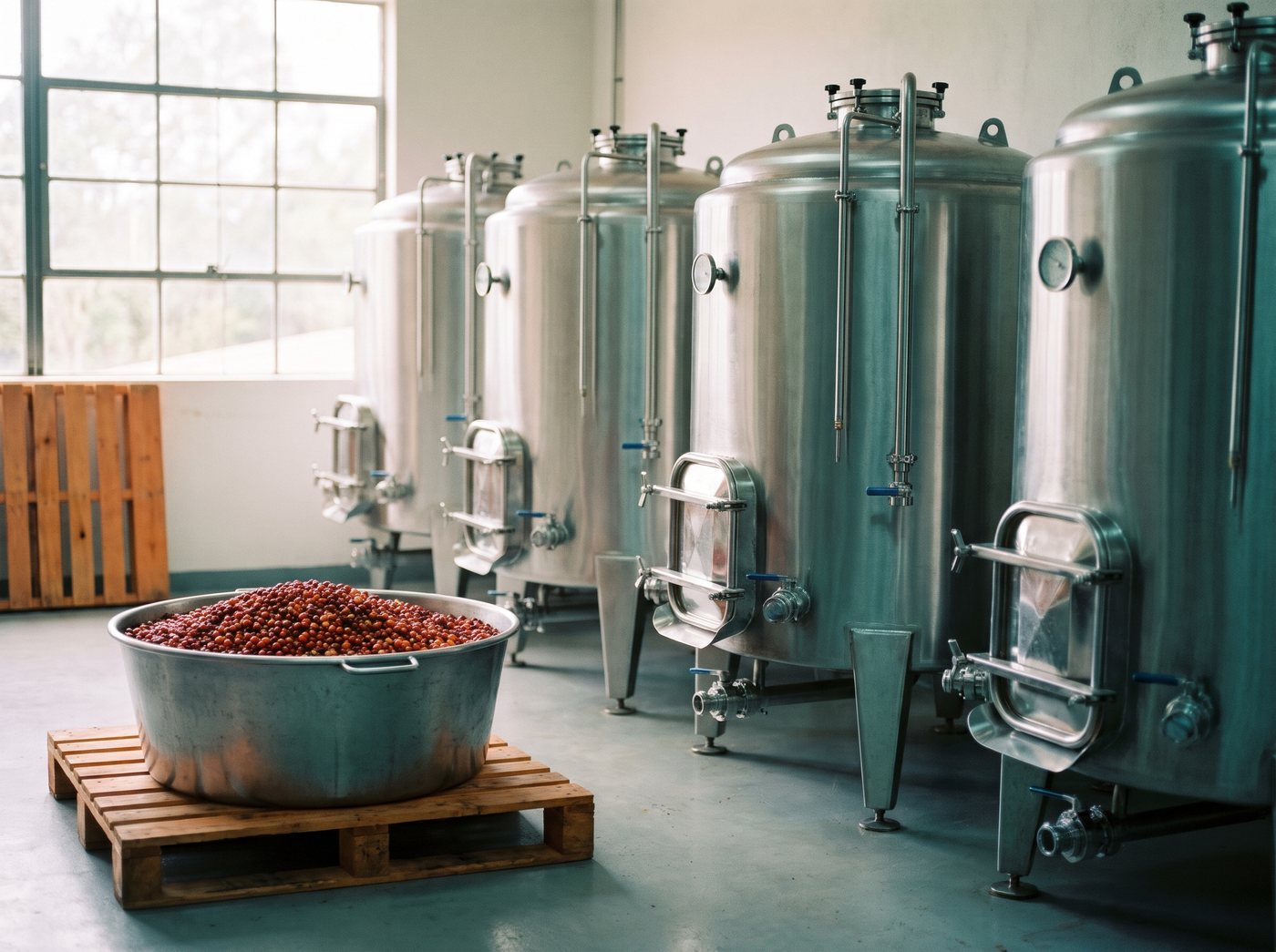
For the washed lots, the fruit skin is removed and the beans rest in water tanks for a day to a day and a half so the sticky fruit layer breaks down, giving a clean, citrusy cup. The natural lots skip this step and keep their whole fruit on, so they ferment slowly inside the cherry and pick up berry sweetness.
Step 03
Patio & Raised-Bed Drying
Washed parchment dries in the sun for about 8 to 12 days, while the natural cherries dry slowly for roughly three weeks and are turned often so they dry evenly. Both lots are rested before hulling, and we blend them at Noble to our espresso recipe.
Lot passportGRACE · 250 g · 100% Specialty Arabica
Estate
Noble Grace Blend — washed and natural lots from partner estates, Chikkamagaluru
Region
Chikkamagaluru, Western Ghats
State
Karnataka, India
Altitude
≈1,100–1,400 MASL 3,600–4,600 ft
Varietal
≈Chandragiri & S795 Arabica
Process
Washed & Natural (blend)
Harvest Brix
≈21–24 °Bx (cherry at picking)
Fermentation
≈Washed lots 24–36 h; naturals ferment slowly inside the whole cherry while drying
Drying
≈Washed lots 8–12 days; naturals 18–25 days
Roast colour
≈Agtron 55 (whole bean) / 63 (ground)
SCA score
≈84.5
Harvest
≈Dec 2025 – Feb 2026
Roast
Medium+ · Espresso roast
Composition
100% Specialty Arabica
Lot data marked ≈ are typical values for this estate and process, pending roaster verification for the current lot.
Freshness & resting
Rest it 5–8 days.
Coffee needs a short rest after roasting before it tastes its best. For Grace, the sweet spot opens 5 days after the roast date and holds at its peak until about day 8.
DegassingPeakStill lovely
RoastDay 7Day 14Day 21Day 28
Roast date is printed on every packPeak: day 5–8
Why resting 5–8 days matters
Freshly roasted beans keep releasing carbon dioxide (CO2) for several days, and too much of it makes espresso spit, foam and taste sharp. Giving Grace about a week off-roast lets that gas settle so your shots flow evenly and the chocolate sweetness comes through.
We roast to order, so your box usually arrives a few days into its rest. Check the roast date on the pack, count forward and brew your first cup on day 5. If you can’t wait, it’s perfectly good earlier — just a little sharper.
Storing your coffee
Keep the beans sealed and away from heat, light and moisture: a kitchen cupboard, not the fridge.
Squeeze the air out of the pack and close it tightly after every scoop.
Whole beans stay at their best for longer; grind just before brewing if you can.
Once opened, aim to finish the pack within about four weeks for the brightest cup.
Statutory information
Product
Grace — Roasted Coffee (100% Specialty Arabica)
Net Quantity
250 g
MRP
Rs. 790 (Inclusive of all taxes)
Unit sale price
Rs. 316.00 per 100 g
Country of Origin
India
Roasted & Packed by
Noble Coffee Roasters, Thunderbolt Foods Pvt. Ltd., Hyderabad, Telangana, India
Roasted to order and dispatched within 48 hours (Mon–Sat). Delivery takes 2–5 business days across India. Shipping is free on orders over ₹999; below that it’s a flat ₹79.
Coffee is a food product, so we can’t take back opened packs. If your order arrives damaged or isn’t what you ordered, email us a photo and we’ll put it right. Read the full shipping & freshness policy.